The short answer
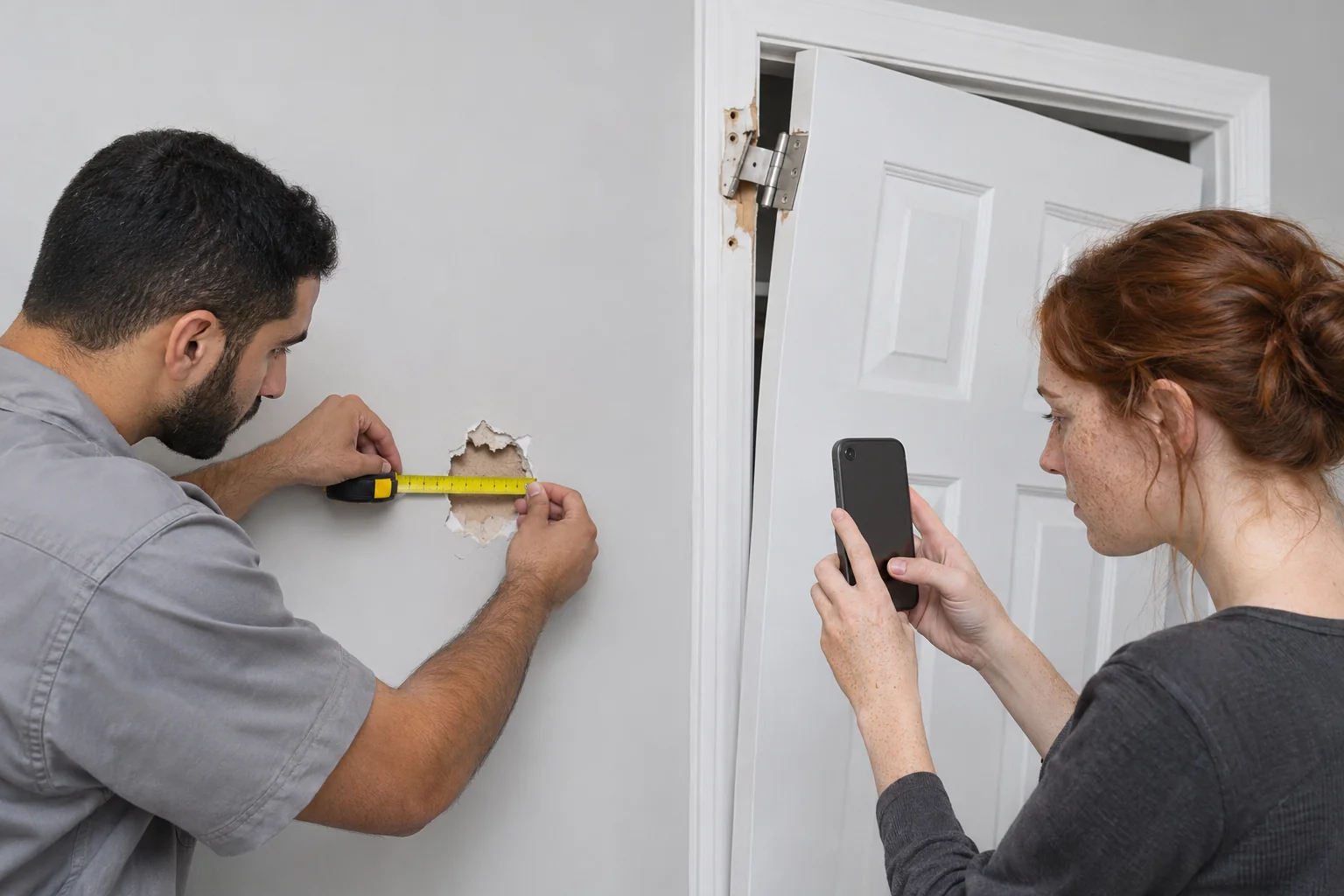
Document the condition, prevent further harm and establish responsibility from evidence and applicable rules. Distinguish supported damage from ordinary wear, pre-existing defects and owner improvements before seeking payment.
On this page
Preserve useful evidence
Keep dated condition records, relevant communications, maintenance history and itemized repair costs. Avoid attributing fault solely because a defect was discovered during a tenancy.
Choose the proper accounting process
Review any lawful charge, deposit deduction or insurance claim separately. Do not collect the same loss twice, and correct the record when credits or recoveries change the amount.
Example: a broken cabinet hinge
Compare its earlier condition, age and cause of failure before charging a full cabinet replacement. The presence of a damaged component does not establish liability for an upgrade.
References and next steps
Use these references for the specific topic they cover. Local requirements and individual circumstances may differ.
The Rentari team writes and updates this guide. Examples illustrate decisions and do not describe customer results. Found an error or an unclear step? Send a correction with a link to this page and the wording you’d change.