The short answer
Coverage depends on the policy, endorsements, exclusions and the event. Common areas to discuss include the building, specified owner-owned property, liability and loss of rental income after a covered loss.
On this page
Ask about common gaps
Discuss flooding, earthquakes, wear, vacancy, intentional damage and changes in use. Do not infer coverage from a broad marketing description; ask the insurer to identify the relevant provisions.
Prepare before a claim
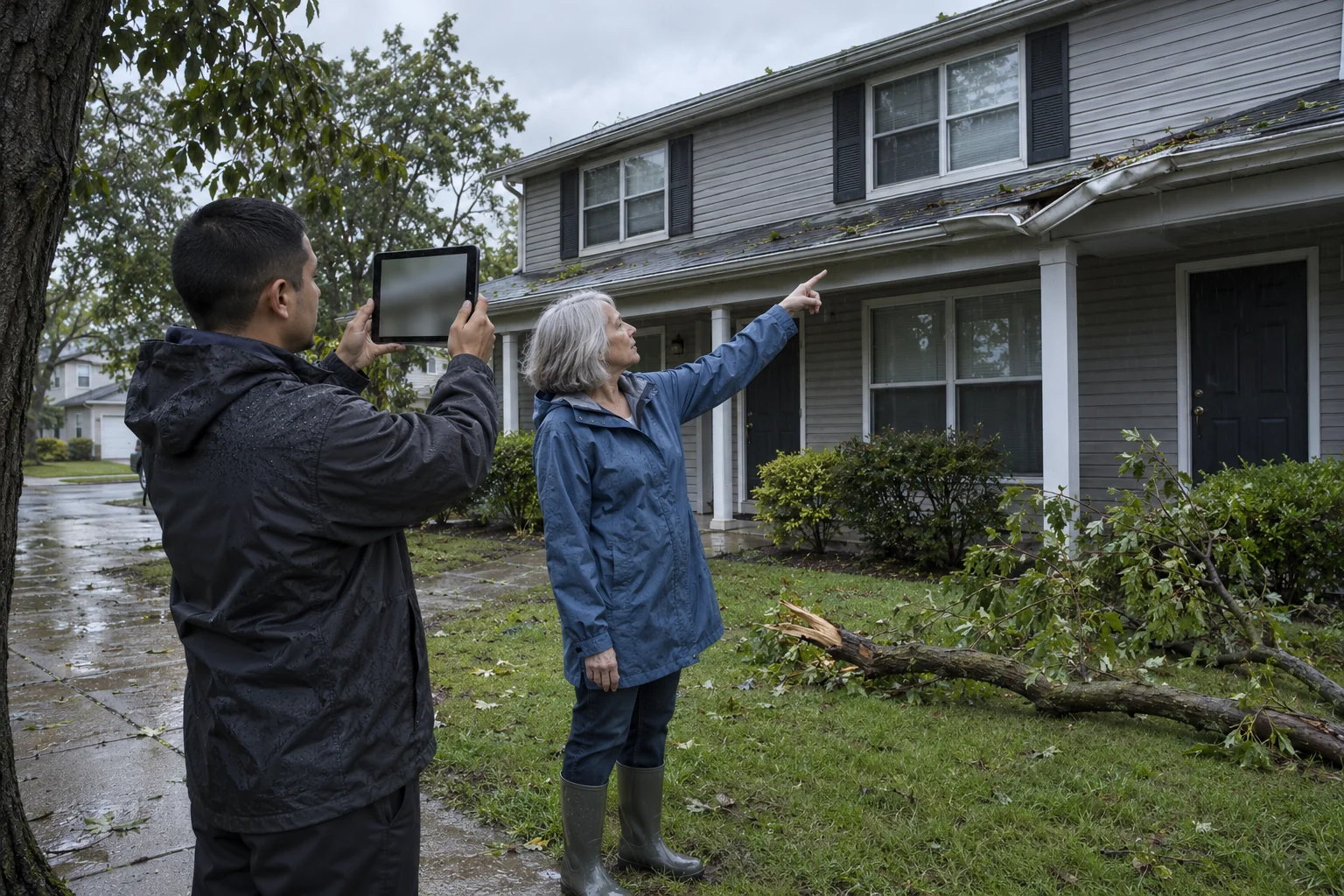
Keep an inventory, property information and current contact details. Understand reporting, mitigation and documentation duties, and contact the insurer promptly when an event may trigger coverage.
Example: two causes of vacancy
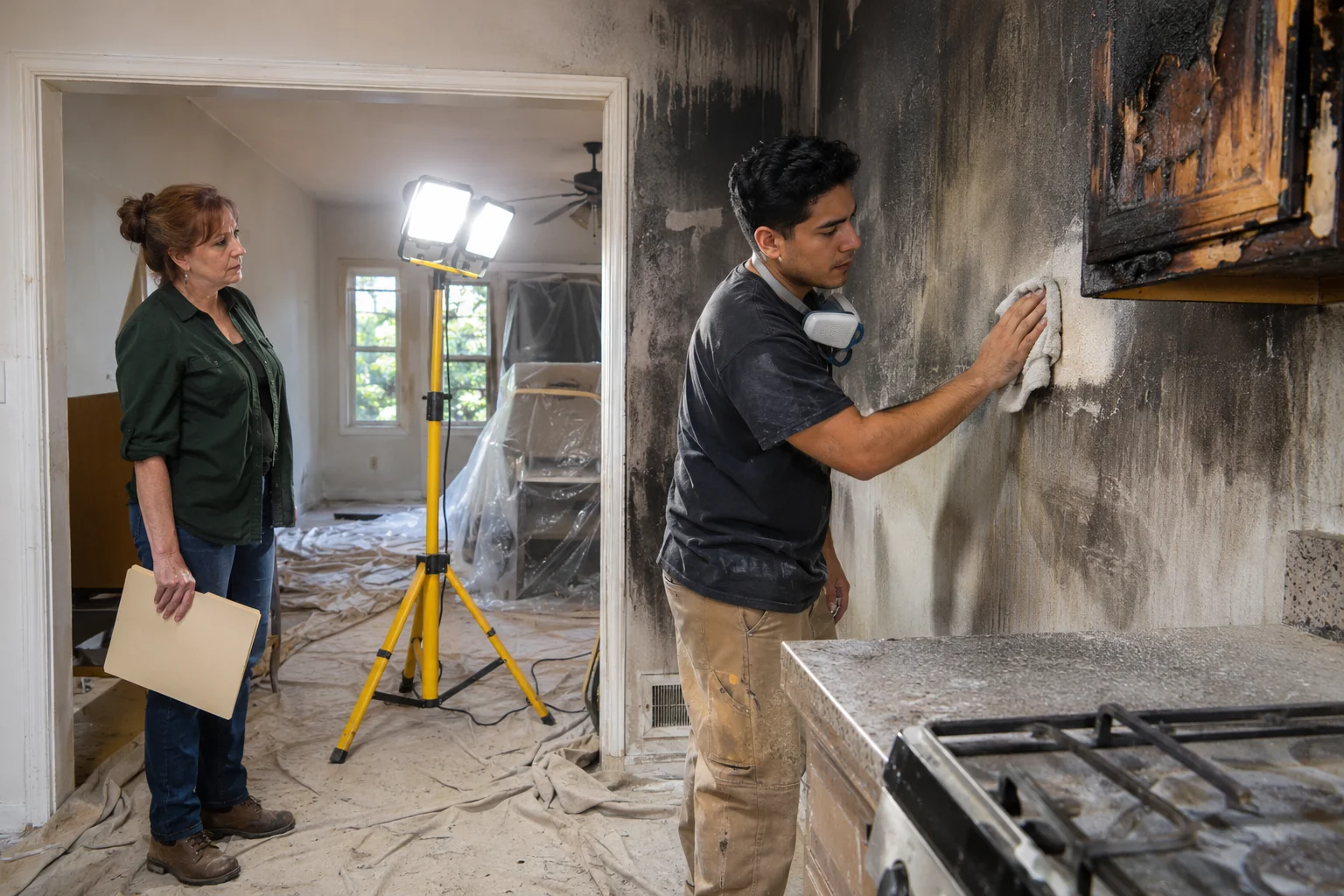
A unit empty after covered fire damage and a unit empty because demand is weak are different situations. Loss-of-rent coverage should not be assumed to pay ordinary market vacancy.
References and next steps
Use these references for the specific topic they cover. Local requirements and individual circumstances may differ.
The Rentari team writes and updates this guide. Examples illustrate decisions and do not describe customer results. Found an error or an unclear step? Send a correction with a link to this page and the wording you’d change.