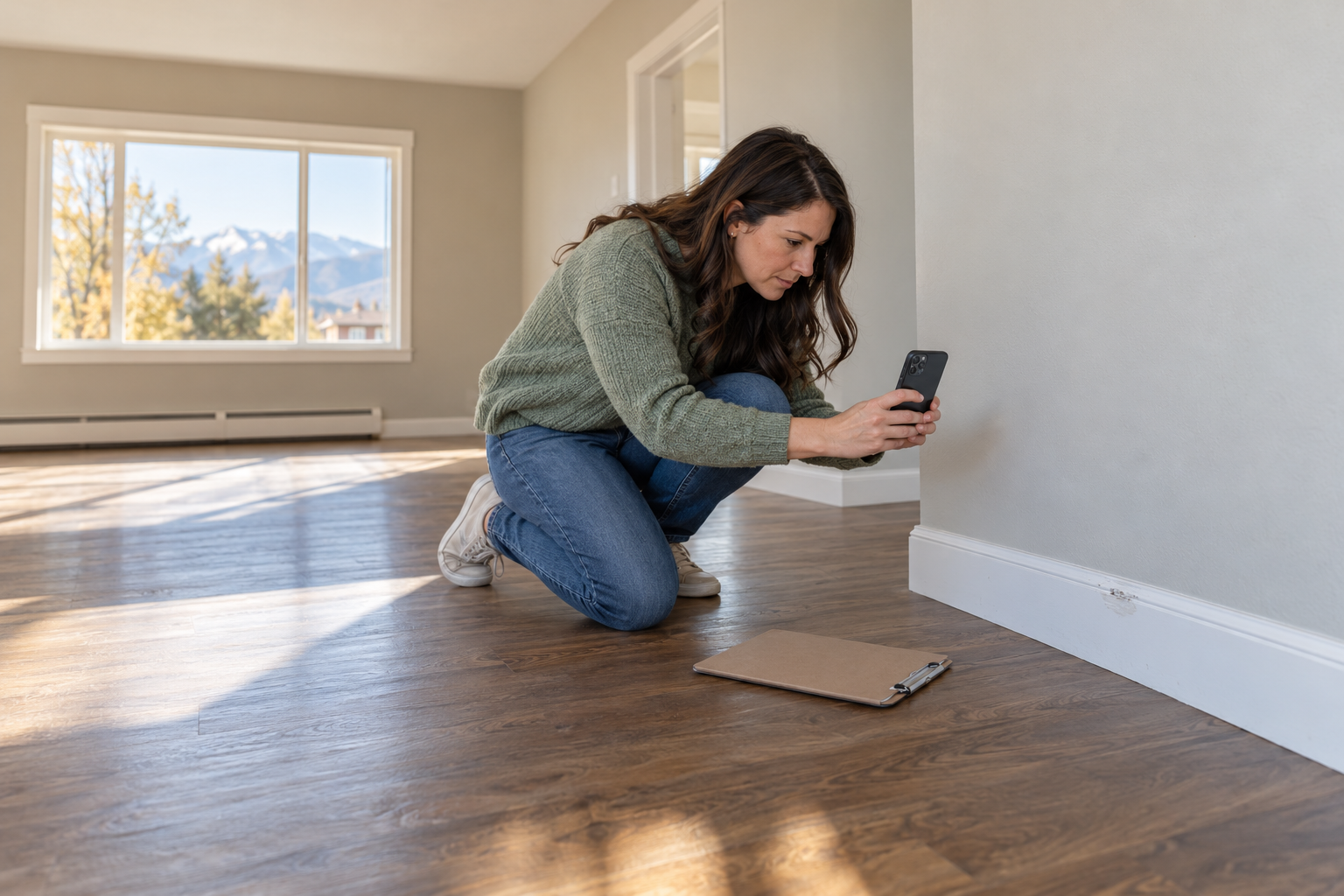
The home is empty, the keys are back and a few things need fixing. Before deciding what comes out of the deposit, find out what actually changed.
Walking through an empty rental makes small defects easy to notice. A scuffed wall, a loose hinge and a worn patch of carpet can quickly become a long repair list. Deciding who pays for those items takes more than a final photograph.
You’ll need the starting condition, the maintenance history and the rules that apply to the deposit. Some work belongs on your turnover budget even when it needs doing before the next resident arrives.
Pull the earlier records before the walkthrough
Gather the signed lease, deposit receipts, original condition report, dated photographs and maintenance history. Record the relevant lease and possession dates, key return, forwarding contact and any open repair. Confirm the applicable deposit-return deadline from current Colorado law and the lease, then put the actual due date on the calendar. Do not let an unfinished contractor visit obscure that deadline.
Put the move-in record beside the final inspection file. Naming photographs by room and feature makes the comparison easier than searching through a camera roll months later. Save the originals and keep any annotated copies separately.
Walk the rooms in the same order
Colorado HB25-1249, effective January 1, 2026, provides for a requested walkthrough when reasonable and practicable, including an interactive remote option. It addresses mutually convenient scheduling before lease termination or surrender, after an opportunity to remove furniture. Check the enacted requirements when arranging it.
Follow the room sequence in the move-in report. Take a wide photograph that shows where the issue is, then a closer one that shows the detail. Describe the observation plainly: “cabinet door does not close flush.” If furniture still blocks an area, note that too. Leave technical diagnoses to someone qualified to make them.
Invite corrections without overwriting either person's account. Acknowledging receipt of a report should not be presented as agreement with every proposed charge.
A repair bill needs more context
The same Colorado act excludes preexisting conditions and normal wear from deposit retention, and sets specific limits for carpet replacement and painting. Its carpet provision includes a ten-year replacement rule. It also addresses supporting documentation and the landlord's burden to establish actual damages. Read those provisions before treating a replacement invoice as the amount owed.
Take that cabinet hinge. If the move-in photograph shows the same misalignment, you have evidence that the issue predates this tenancy. Arrange the repair and note the earlier photo in your deposit review. Paying for the work now doesn’t establish that the departing resident caused the problem.
When damage is new, document the affected area, its age and prior condition, and the reasonable cost of addressing it. A contractor’s quote for renovating the whole room may include work that has nothing to do with the damaged item.
Finish the deposit accounting while turnover moves ahead
Review the required statement, refund, delivery method and any requested documentation against current law. Keep proof of what was sent and when. If an item is disputed or the applicable rule is unclear, resolve that question with a Colorado housing attorney rather than presenting a photograph as conclusive proof.
Separately, assign turnover repairs and verify completion before the next move-in. Use the Colorado move-in guide to establish a fresh baseline after work finishes. The old resident's report and the new resident's report should remain distinct records.