The short answer
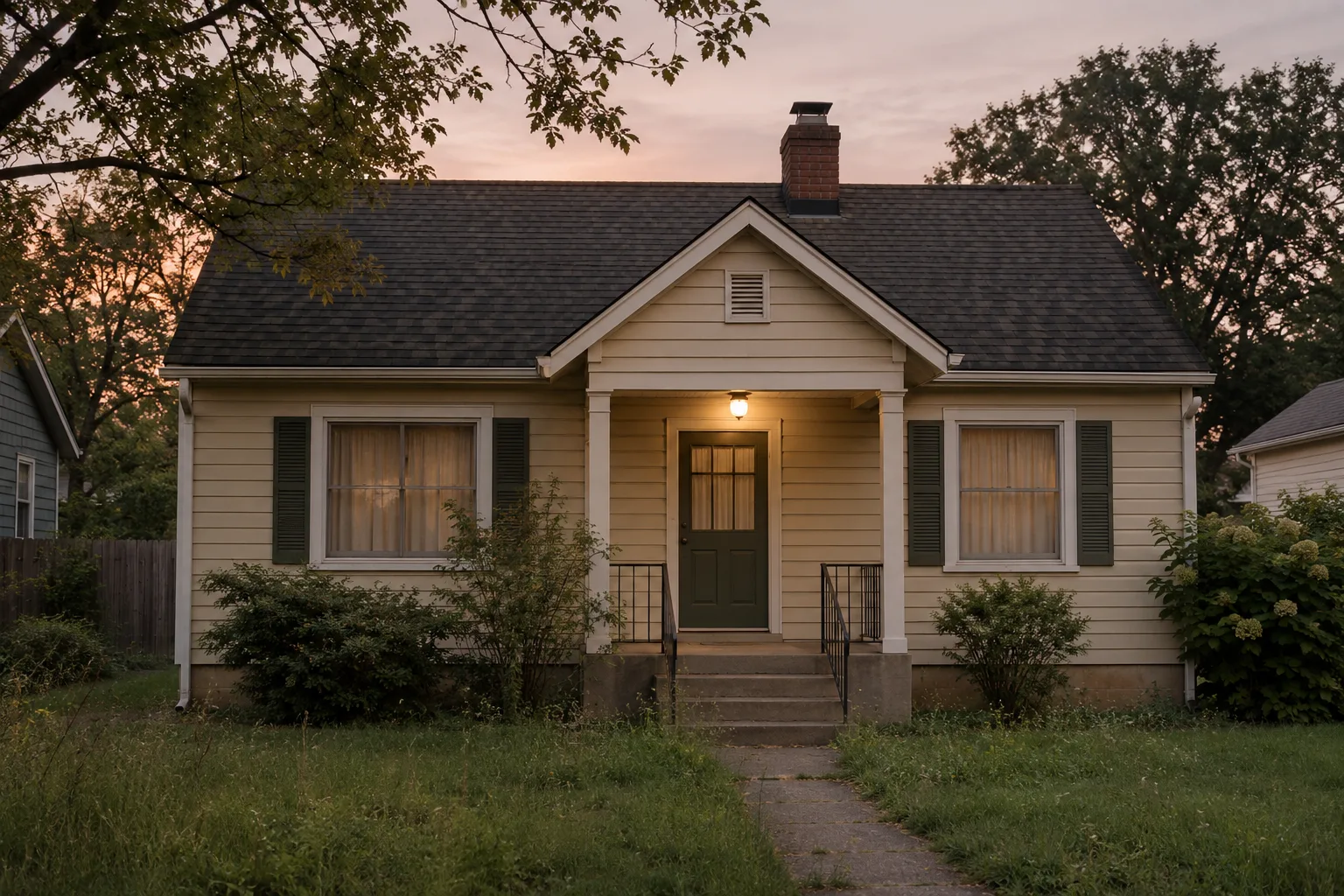
Phrogging is an informal name for someone secretly living in a home without the owner or residents knowing. In rentals, vacant units, long turnovers and homes with frequent showings deserve the closest watch. Secure the property, notice the signs and let police and courts handle removal rather than confronting anyone yourself.
On this page
What the word covers, and what it does not
The term describes a hidden occupant: a person who gets in without permission and stays out of sight. It is not a legal category. The legal questions are who the person is and whether they ever had permission, and those answers decide what you can do.
- A hidden intruder entered without permission and never had an agreement with you or a renter.
- An unauthorized occupant was let in by your renter but is not on the lease.
- A current or former renter has or had a lease, including one who stayed after it ended.
- A person claiming a right to stay may say they have a lease, paid rent or got permission from someone.
Fast removal procedures are built for people who never had permission. Missouri's procedure for unlawful occupants, for example, excludes current or former tenants, authorized guests and the owner's immediate family (Mo. Rev. Stat. § 534.602). North Carolina's limited court procedure also treats tenants, including those who stay after a lease ends, differently (North Carolina: expedited removal of unauthorized persons).
Signs someone may be inside
In a vacant unit, watch for:
- water or electric use that is higher than an empty home should use;
- trash, food packaging, bedding or clothing that was not there before;
- furniture or stored items that have moved;
- lights or noise at night reported by neighbors;
- doors or windows left unlocked, damaged or locked from the inside; and
- mail or deliveries addressed to an unfamiliar name.
In an occupied home, a renter may report sounds from an attic, crawlspace, basement or storage room, missing food or a disturbed access panel. Treat these as reasons to look into the situation safely, not as proof. A noise or a moved object does not establish who is there.
Secure vacant units
- Rekey or change lock codes at every turnover and whenever a key goes missing.
- Control showing access: log who used a lockbox or code and when, and change codes after a listing ends.
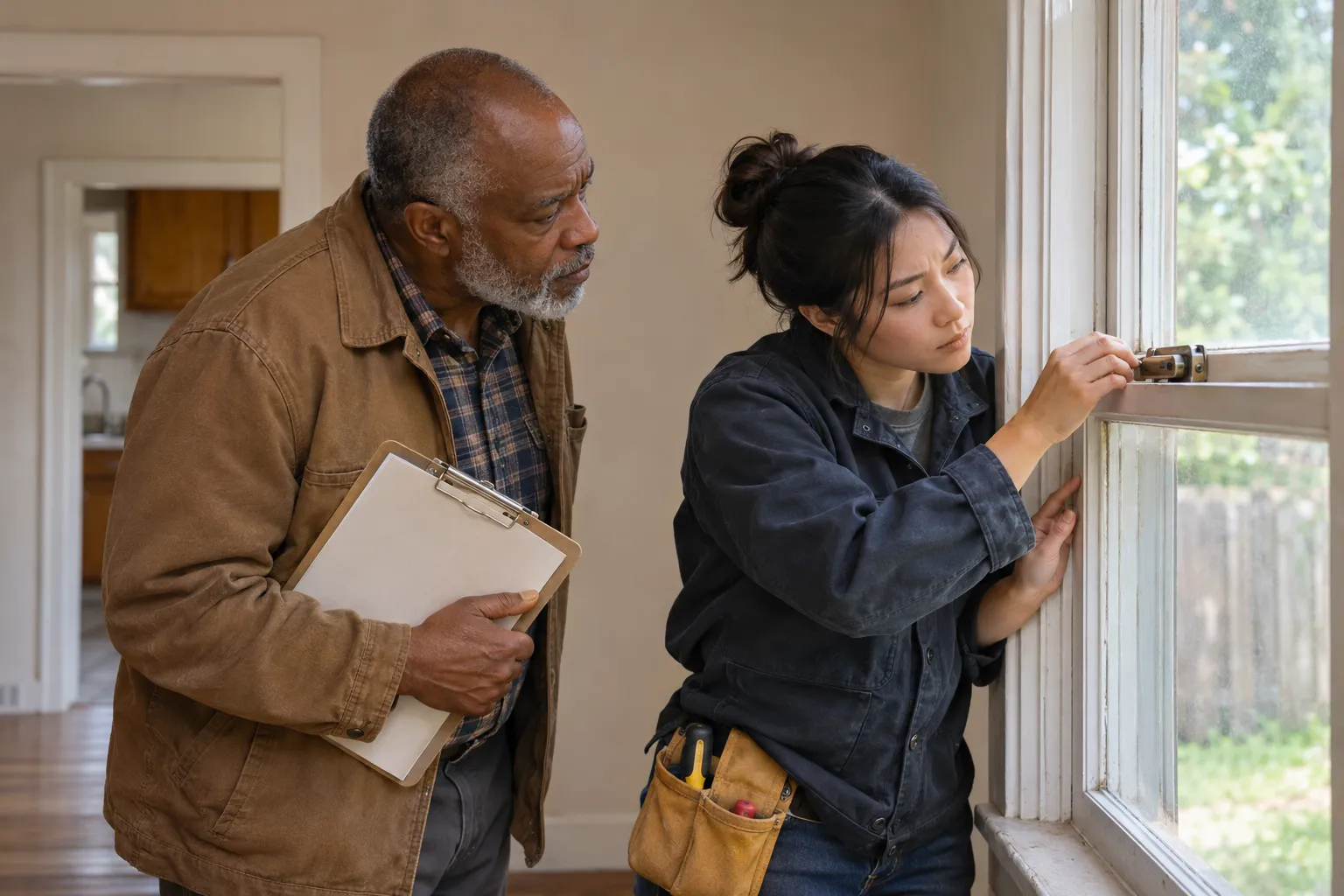
- Latch windows, secure basement, attic and crawlspace access, and keep exterior lights working.
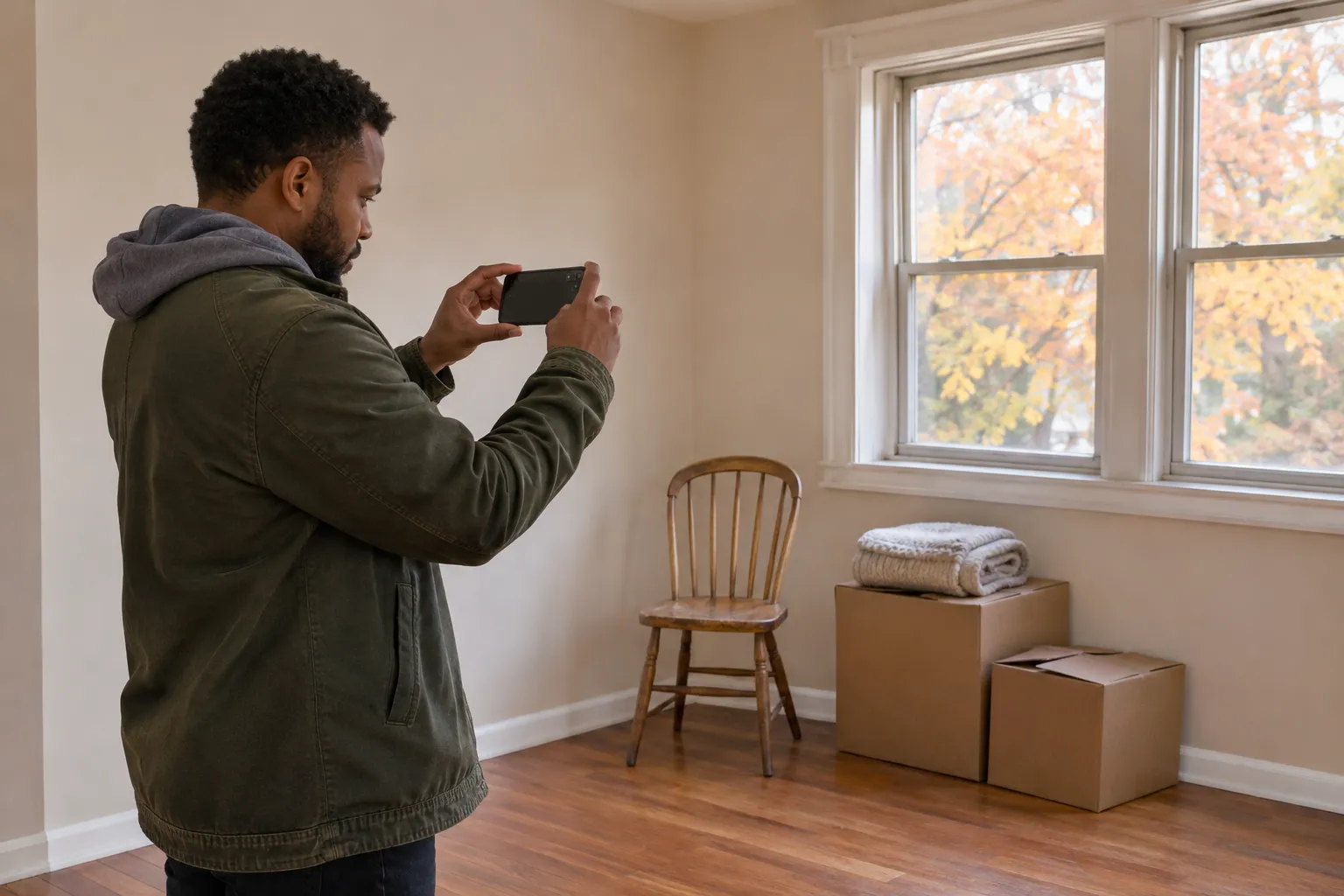
- Inspect on a set schedule and keep dated photos of each room.
- Give a trusted neighbor your contact details and ask them to call about anything unusual.
- Compare utility use each month with what an empty home should use.
Records matter if you later need help. Missouri's procedure turns on facts such as whether the occupant was directed to leave and the property's recent lease history, so keep dated inspection notes, ownership and permission documents, photographs and reports of any unauthorized entry (Mo. Rev. Stat. § 534.602).
If you think someone is inside now
Do not go in. Leave, get to a safe place and call the police, or 911 if anyone is in danger. Tell officers what you saw and when, whether the home is vacant, listed or between renters, and who has keys. Do not confront the person, cut off utilities, remove belongings or change the locks while they are inside.
If a renter reports signs of someone inside their own home, tell the renter to leave and call emergency services if they believe someone is there now. Never ask a renter to search the property.
Removal is a police or court process
- Georgia: knowingly living on another's property without the owner's knowledge or consent is the misdemeanor of unlawful squatting. The person gets a citation and has three business days to show police proper documentation, such as a lease or proof of rent payments (O.C.G.A. § 16-7-21.1). A separate affidavit process lets an officer remove an occupant who has no good-faith claim unless they file a counteraffidavit, which sends the case to magistrate court (O.C.G.A. § 44-11-30; O.C.G.A. § 44-11-32).
- Florida: a sheriff remedy applies only when every statutory condition is met, including unlawful entry onto residential property not open to the public, a direction to leave, no current or former owner-authorized tenancy, no immediate family relationship to the owner and no related pending litigation. It requires a verified complaint and is not a substitute for the tenant eviction process (Fla. Stat. section 82.036(2)-(6)).
- Missouri: a verified-petition procedure for qualifying unlawful occupants. A hearing normally follows within 48 hours of filing, and the sheriff enforces the order (Mo. Rev. Stat. § 534.602).
- North Carolina: an expedited procedure for qualifying unauthorized persons starts with a complaint and summons in the property's county, followed by sheriff service and a magistrate's hearing (North Carolina: expedited removal of unauthorized persons).
If the person shows a lease, rent receipts or messages giving permission, expect the ordinary eviction process to apply instead.
Why self-help backfires
Getting the status wrong is expensive. In Missouri, wrongful removal can lead to restored possession, personal-property damages, $1,000 in statutory damages and court costs (Mo. Rev. Stat. § 534.602). In Florida, wrongful use of the sheriff remedy can bring restored possession, actual losses, statutory damages of triple the fair market rent, costs and attorney fees (Fla. Stat. section 82.036(2)-(6)).
Lockout and utility shutoff laws also protect anyone who turns out to be a tenant. Let officers and courts decide the person's status, and keep your own role to securing the property and documenting what happened.
After the occupant is gone
- Photograph and list any damage before cleaning.
- Rekey every lock and change every code.
- Repair the entry point and any damaged window or door.
- Report a loss to your insurer promptly.
- Handle belongings left behind under your state's rules rather than discarding them on the spot.
- Tell nearby renters in general terms what happened and how to report anything unusual, without sharing personal details.
- Review who had keys and codes, and tighten showing access.
Sources and further reading
- Missouri Revised Statutes § 534.602: unlawful occupants
- North Carolina General Statutes chapter 14, article 22D: expedited removal of unauthorized persons
- Georgia O.C.G.A. § 16-7-21.1: unlawful squatting
- Georgia O.C.G.A. §§ 44-11-30 to 44-11-33: removal of intruders
- Florida Statutes § 82.036: removal of unauthorized persons
Common questions
Is phrogging the same as squatting?
Both involve someone staying in a home without permission. Phrogging usually describes a person hiding, while a squatter often stays openly and may claim a right to be there. The law looks at the facts, including any lease or permission, not the label.
Can I change the locks on a hidden occupant?
Do not act while anyone may be inside. Call the police and use your state's procedure. If the person claims a lease or permission, the ordinary eviction process may apply, and lockout laws can protect them.
What records help police and courts?
Your deed, any leases, showing and lockbox logs, dated inspection photos, utility usage, and reports of unauthorized entry. Missouri's procedure, for example, turns on facts such as whether the occupant was directed to leave.
Is my renter's long-term guest a hidden occupant?
No. A person your renter let in is an occupancy question under the lease, not a hidden intruder. Address it through the lease terms and notices rather than the police.
Archive years group longstanding rental topics. This Rentari guide was published on 2026-11-14.
The Rentari team writes and updates this guide. Examples illustrate decisions and do not describe customer results. Found an error or an unclear step? Send a correction with a link to this page and the wording you’d change.