Standard Residential Lease
Nevada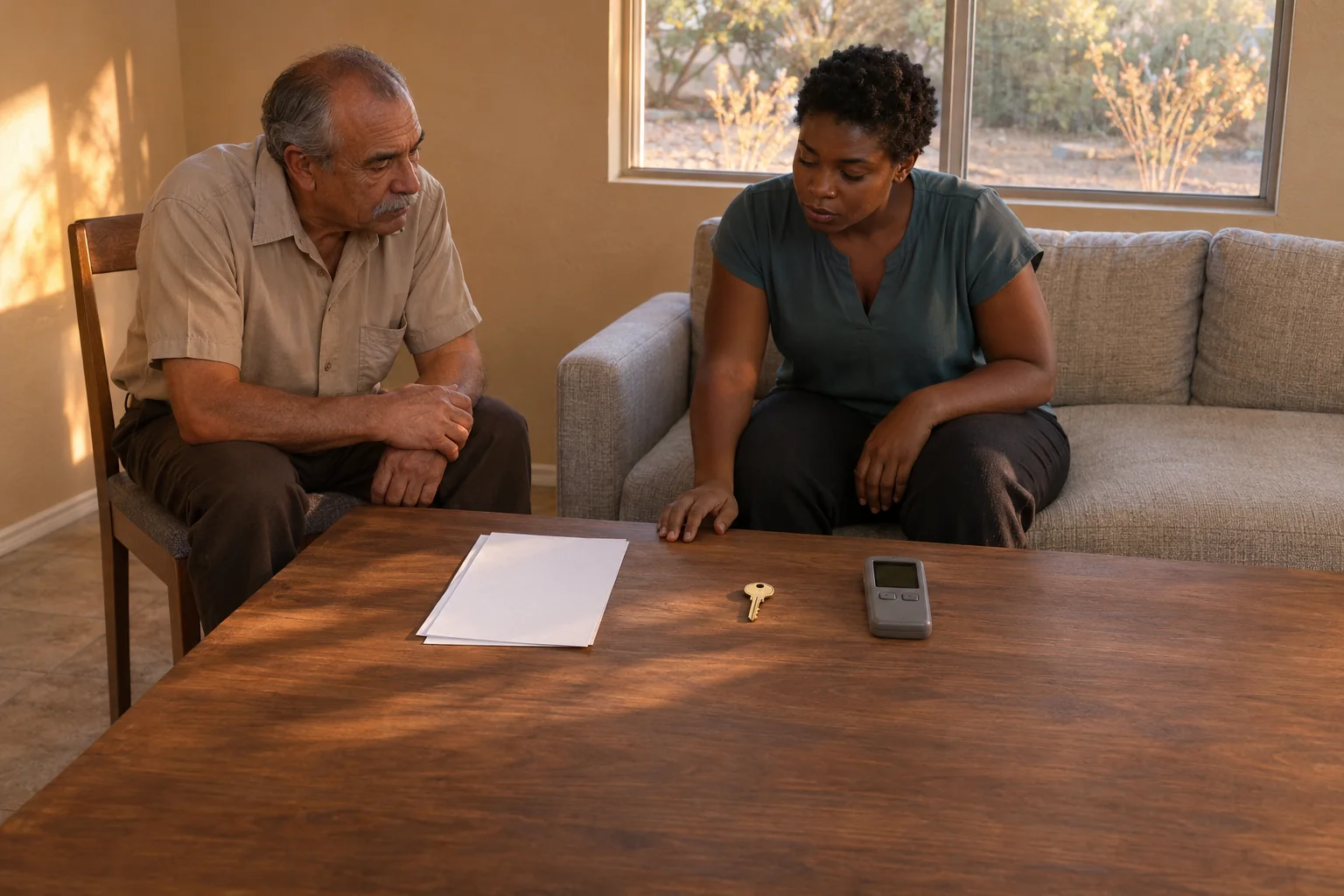
- Read every term together
- Hand over keys after signing
- Explain the cooling system
About the Standard Residential Lease
The Standard Residential Lease is a lease agreement prepared specifically for Nevada. Nevada lease (NRS 118A) with 3-month deposit cap, 24-hour entry, and mold disclosure. Preview the blank template for free. Prime includes a clean PDF download. Online filling and e-signing are not available for this form.

Prepare your Nevada lease
Match the written agreement to the actual parties, unit, term, occupants and included services. Review the total rent, payment timing, utilities and permitted charges together so the advertisement, lease and payment records tell the same story.
What to review before signing
Check the required lease provisions, including the signed inventory and condition record, nuisance information, reporting procedures and protected display rights. Complete the manager, service-of-notice and emergency contacts, and review any property-specific disclosures and applicable lead materials.
Review the combined limit for security, any surety bond and last month’s rent. Identify each amount and its purpose rather than treating separate labels as separate allowances. Keep receipts, photographs and condition records, and explain the refund and itemized-accounting process in the review file.
Keep entry, rent increases and ending a periodic tenancy separate. Check the actual ground, notice, delivery and any extension rights before acting. A late-fee grace period is not a substitute for the required eviction notice and court process.
Resolve inconsistent amounts, dates and attachments before signing. Retain the signed agreement, disclosures and inventory, give the tenant the completed copy, and identify later written changes clearly.
Define the monthly arrangement. If the agreement creates a month-to-month tenancy, record its start date, recurring rental period, rent due date and notice-delivery details. Review the usual thirty-day ending notice with the actual tenancy, service requirements and any available extension or other protection. A notice ending the agreement is separate from the court process for recovering possession; the monthly term does not authorize a lockout.
Plan rent changes on their own timeline. For a monthly tenancy, Nevada's rent-increase rule generally requires sixty days' written notice before the first increased payment; the shorter rule for periods under a month is different. Check the lease and any applicable restrictions before choosing an amount or effective date, and retain the notice and service record. See the state rent-increase provision; a thirty-day termination summary does not replace the rent-change requirements.
Identify the room, services and payment responsibility. Describe the private room, furnishings, storage and keys, plus any shared kitchen, bathroom, laundry, parking or outdoor space. State who signs with the landlord, who pays rent and how utilities and any shared charges are allocated. Keep each deposit or other payment identified by purpose. If a tenant rents the room onward, check the main lease and required permission before agreeing to a sublet.
Keep house rules and privacy in the written packet. Record cleaning, guests, quiet hours, smoking, maintenance reporting and how residents agree to changes. Distinguish use of common areas from entry into a private room, and review applicable access and consent requirements for the actual arrangement. Keep the room inventory, photographs and signed rules together. A roommate agreement should not be assumed to amend the landlord’s lease or release a departing signer; document approved replacements and review the proper notice, deposit-accounting and possession steps when occupancy changes.
Nevada rental-law essentials
The Nevada rules this lease agreement is built around (statute).
- Max security deposit
- Max 3 Months
- Deposit return deadline
- 30 Days
- Entry and tenancy-ending notices
- Different rules; see guide
- Late fee rule
- Cap 5%
General information, not legal advice. See the full Nevada landlord-tenant law guide.
What this lease agreement covers
This form contains 34 sections. Here is the full outline of what it addresses:
- 1. PARTIES
- 2. PREMISES
- 3. TERM
- 4. RENT
- 5. SECURITY DEPOSIT
- 6. OCCUPANCY
- 7. UTILITIES
- 8. USE
- 9. MAINTENANCE
- 10. ALTERATIONS
- 11. RIGHT OF ENTRY
- 12. PETS
- 13. SMOKING POLICY
- 14. SUBLETTING
- 15. INSURANCE
- 16. RULES
- 17. DEFAULT
- 18. ATTORNEY'S FEES
- 19. NOTICES
- 20. WAIVER
- 21. SEVERABILITY
- 22. GOVERNING LAW
- 23. ENTIRE AGREEMENT
- 24. COUNTERPARTS
- NEVADA-REQUIRED DISCLOSURES
- 25. LEAD-BASED PAINT
- 26. MOLD DISCLOSURE
- 27. NUISANCE NOTICE (SUMMARY OF NRS 202.470)
- 28. SMOKE AND CO DETECTORS
- 29. REPORTING NUISANCES AND CODE VIOLATIONS
- 30. DISPLAY OF THE UNITED STATES FLAG
- 31. DISPLAY OF RELIGIOUS OR CULTURAL ITEMS
- 32. INVENTORY AND CONDITION RECORD
- 33. SCHEDULES
Frequently asked questions
Is the Standard Residential Lease free to preview?
Yes. Preview this blank template for free. Prime includes a clean PDF download. This template does not support online filling or e-signing.
Which states does the Standard Residential Lease apply to?
This lease agreement is prepared for Nevada. Nevada lease (NRS 118A) with 3-month deposit cap, 24-hour entry, and mold disclosure.
Can I fill it out and e-sign it online?
This template is available as a blank PDF. Online filling and e-signing are not available for this form.
Prepare and review your document.
- PDF without a watermark. You can select and copy the text.
- Blank template. Download the PDF to complete outside Rentari.
- Review before use. Complete the required information and arrange signatures outside this online form.
- Access to the full library. The plan includes forms for every state, with no per-form fee.
Use this form inside Rentari
Keep the form with the lease, tenant and rent records it belongs to.