The short answer
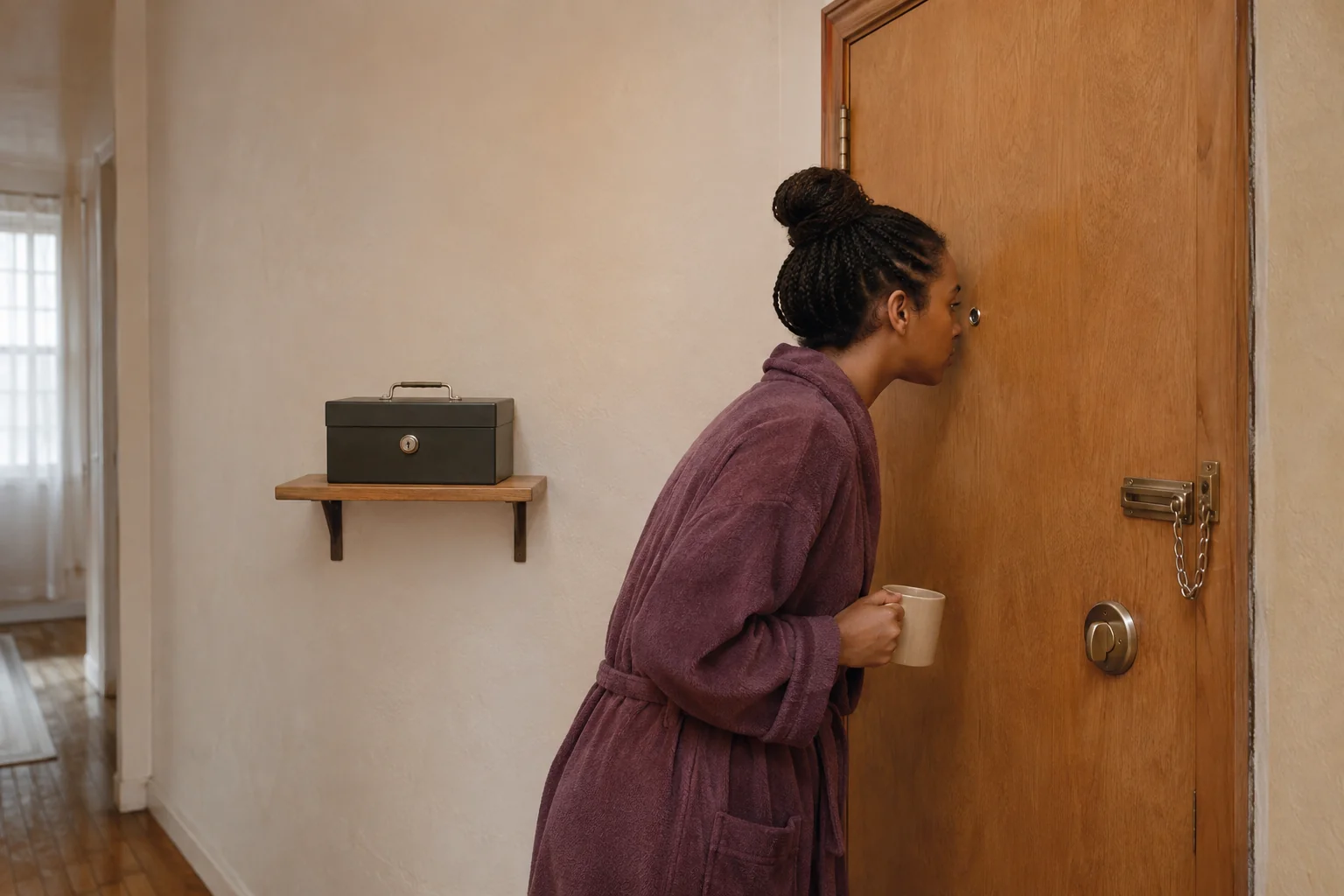
Resident privacy involves lawful entry, appropriate handling of personal information and reasonable limits on access or disclosure. The specific duties depend on location, contracts and the kind of information involved.
On this page
Limit access by purpose
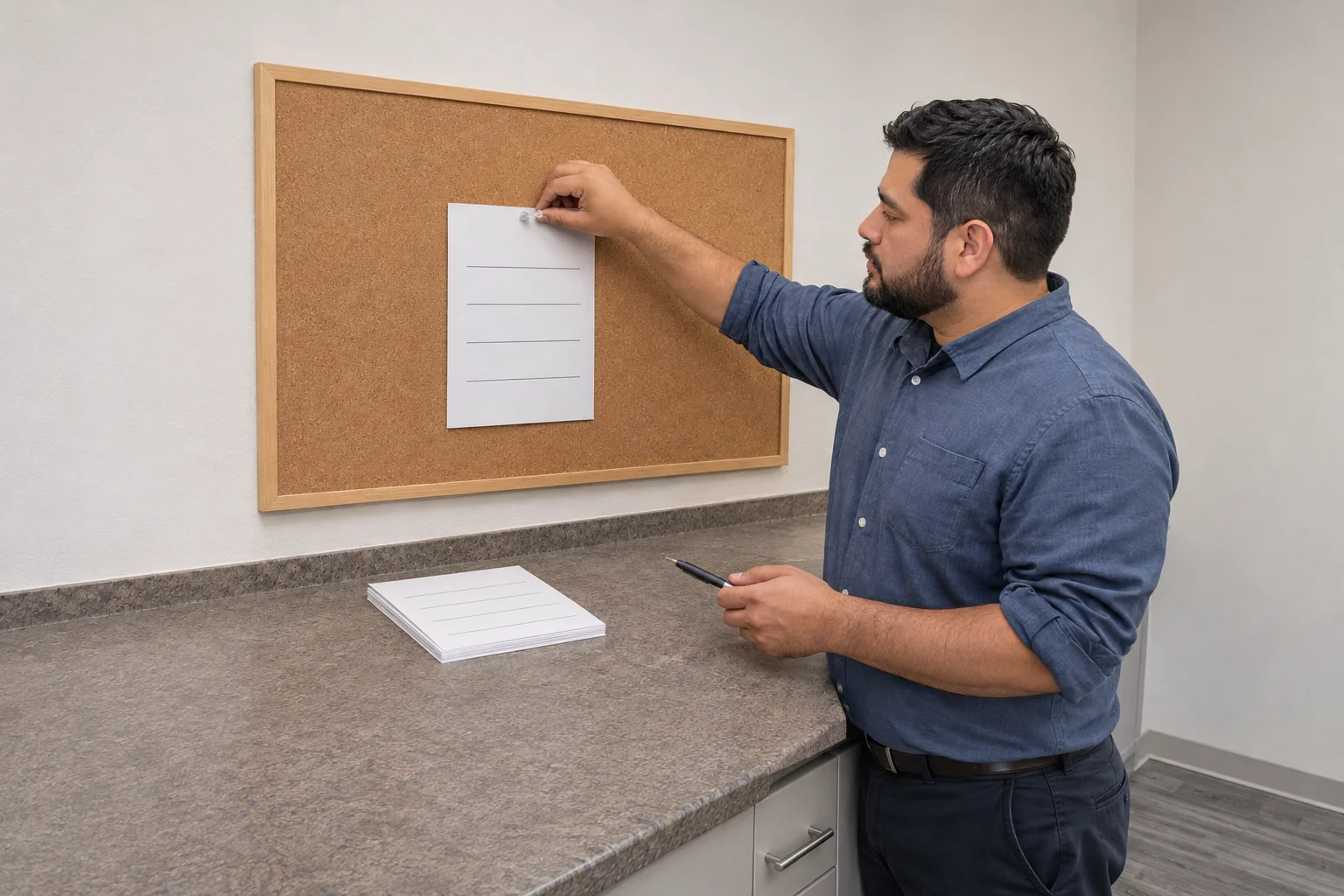
Give staff and vendors only what they need for an authorized task. Store identity, screening and financial records securely and avoid putting sensitive details in shared maintenance notes.
Review surveillance and entry
Check rules for cameras, recordings, inspections and notice before implementing a policy. Explain legitimate operational practices clearly and obtain required consent where applicable.
Example: vendor instructions
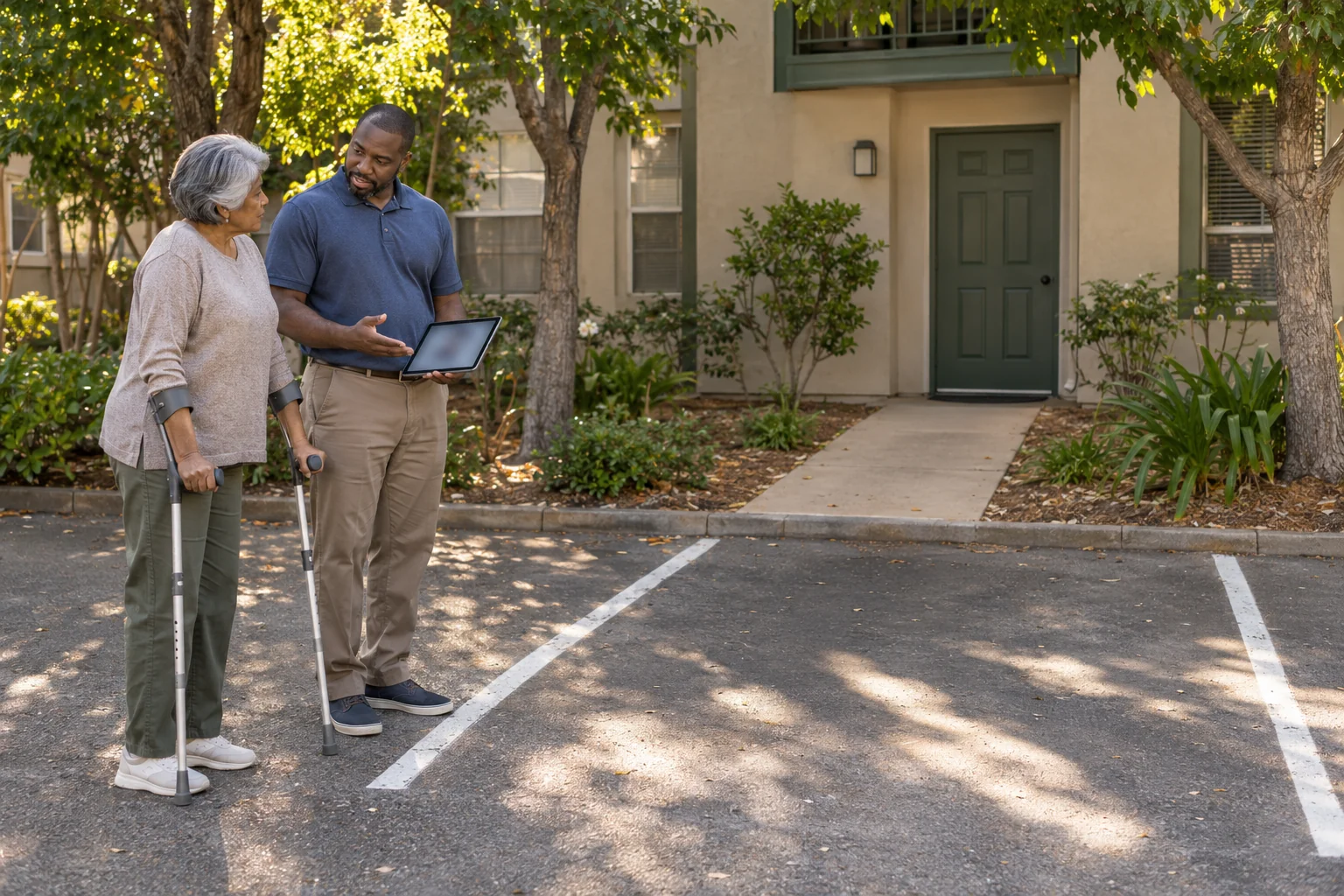
A plumber needs the unit, issue and permitted access arrangement. Sending the resident's application, bank information or unrelated personal history adds exposure without helping complete the repair.
References and next steps
Use these references for the specific topic they cover. Local requirements and individual circumstances may differ.
The Rentari team writes and updates this guide. Examples illustrate decisions and do not describe customer results. This is general education. Confirm the rules and treatment for your property with a qualified local professional. Found an error or an unclear step? Send a correction with a link to this page and the wording you’d change.