The short answer
Entry generally requires a lawful purpose and compliance with applicable notice, timing and consent rules, subject to specific exceptions. Verify the local rule for the reason and circumstances before using a key.
On this page
Match the purpose to the rule
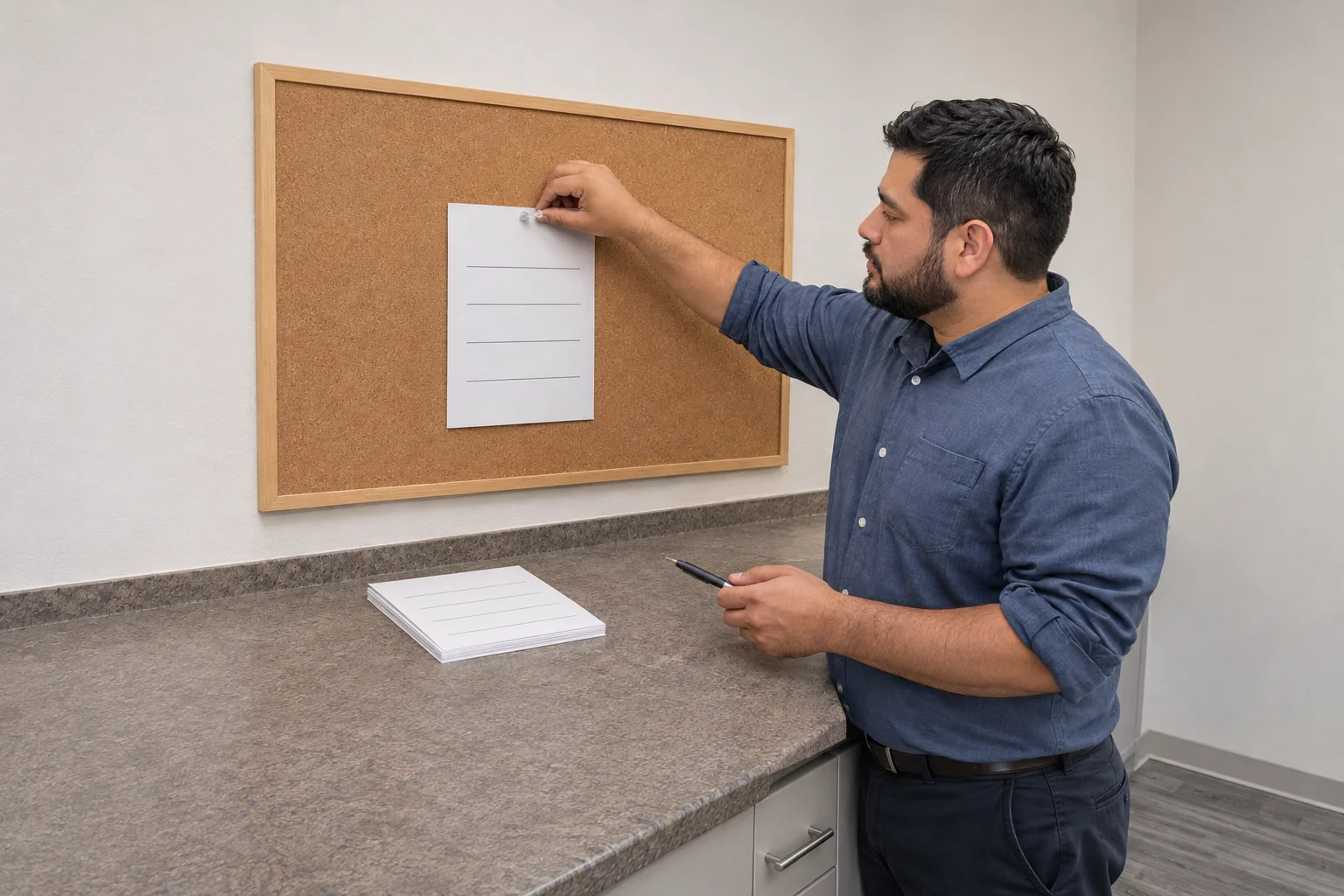
Repairs, inspections, showings and emergencies may be treated differently. Record the purpose and follow the appropriate notice process rather than relying on a broad lease clause alone.
Resolve access disputes properly
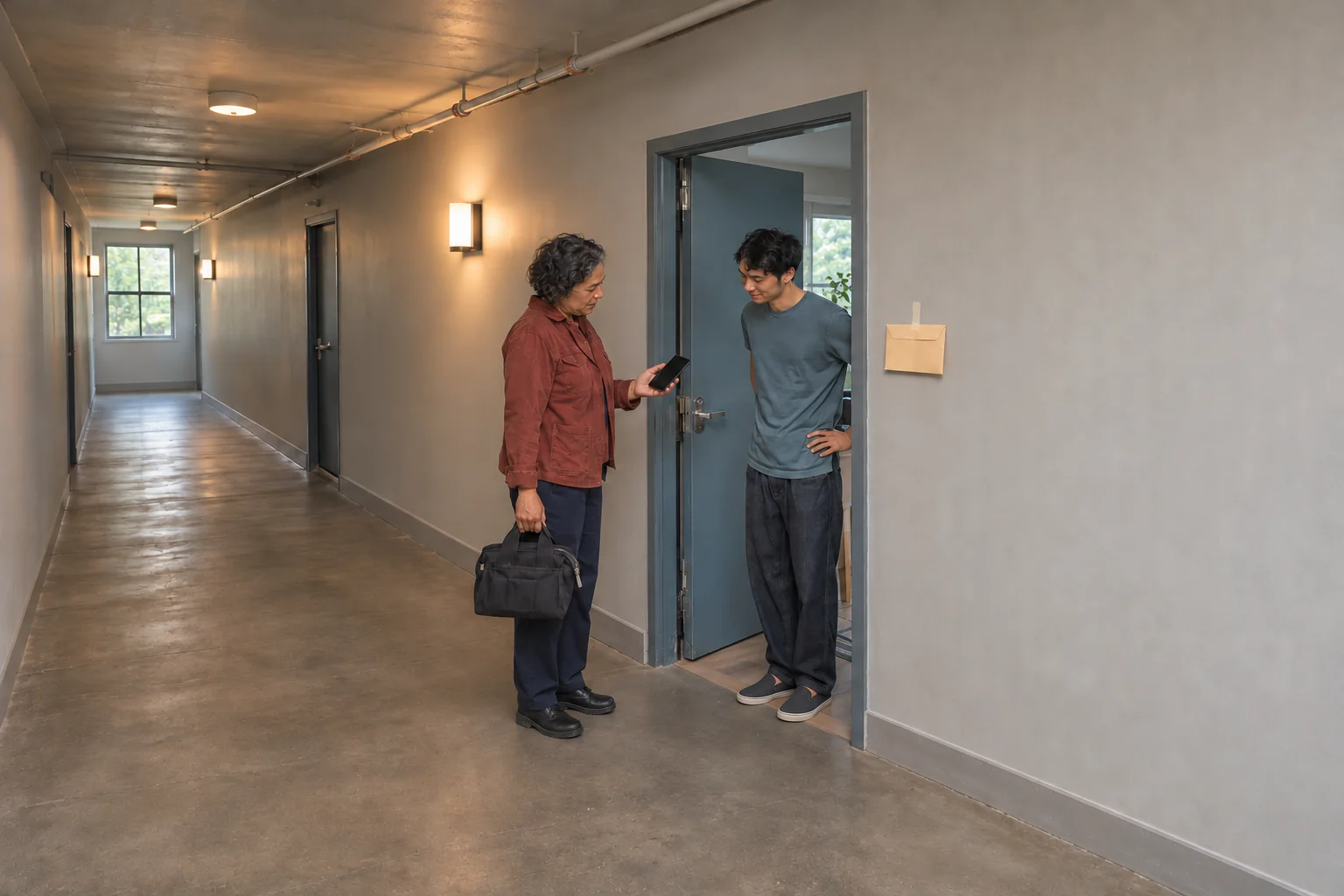
Communicate scheduling options and document attempts. If access is refused, seek advice on lawful next steps; repeated unannounced visits or pressure can worsen the dispute.
Example: a suspected minor repair
A resident reports a slowly dripping faucet. Arrange access through the normal process unless facts establish an applicable emergency exception. Calling every maintenance issue urgent does not create an entry right.
References and next steps
Use these references for the specific topic they cover. Local requirements and individual circumstances may differ.
The Rentari team writes and updates this guide. Examples illustrate decisions and do not describe customer results. This is general education. Confirm the rules and treatment for your property with a qualified local professional. Found an error or an unclear step? Send a correction with a link to this page and the wording you’d change.