The short answer
Lighting, thermostats, water fixtures and air sealing are the simplest places to cut a rental's energy and water use, and a heat pump is the larger project. For 2026, the main federal home energy credits are not available for a rental you do not live in. Confirm eligibility with the IRS and a tax professional before you count on any credit.
On this page
Start with who pays the bills
Savings land with whoever pays the utility. If renters pay electricity and water, efficient fixtures lower their bills and can make the home easier to rent. If you pay, the savings come back to you directly. Either way, check the lease's utility terms before choosing upgrades.
Heating and cooling are the big target. ENERGY STAR says that for the average American household, almost half of the annual energy bill goes to heating and cooling.
Lighting
Switching to LED bulbs is the easiest change at turnover. For fixtures, ENERGY STAR says its certified downlights use 90% less energy than traditional models using incandescent bulbs and come with a manufacturer warranty of at least three years. Exterior and common-area lights that run for long hours are good first candidates, and ENERGY STAR says certified fixtures are tested for long-term performance.
Thermostats
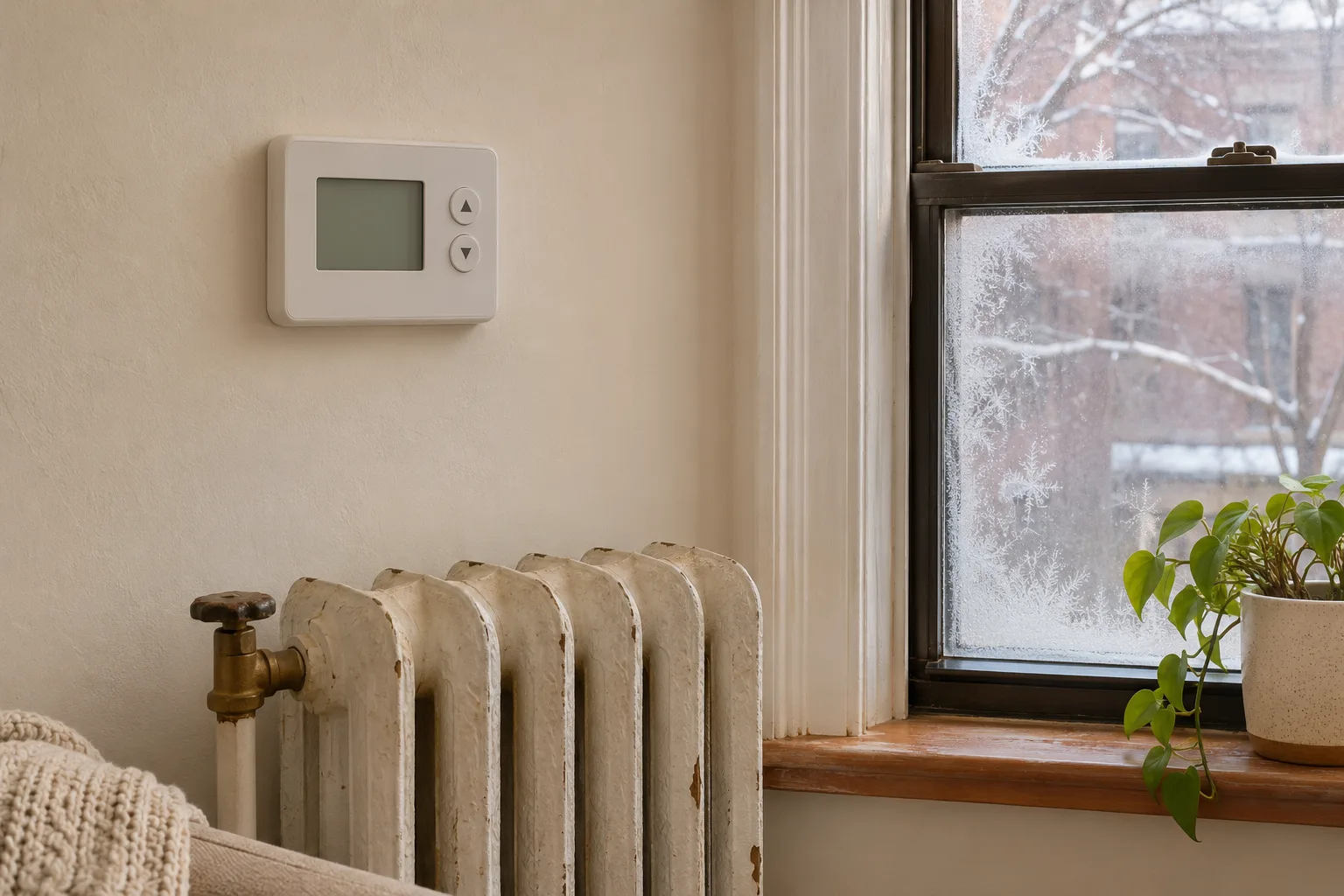
ENERGY STAR says certified smart thermostats are independently certified, based on actual field data, to deliver energy savings. Many learn temperature preferences and set a schedule that adjusts temperatures when people are away or asleep, and they enter a low-power standby mode when inactive.
- Decide who controls the thermostat and write it into the lease.
- Keep any minimum heat your local code requires, whatever schedule a renter sets.
- Remove your access or reset the account at each move-out so the next renter starts fresh.
Water fixtures and leaks
EPA's WaterSense label covers fixtures that use less water and still perform well:
- Showerheads: standard models use 2.5 gallons per minute; WaterSense models use no more than 2.0. EPA says the average family could save 2,700 gallons a year.
- Bathroom faucets: WaterSense faucets and aerators use a maximum of 1.5 gallons per minute and can cut flow by 30 percent or more from the standard 2.2. An aerator can cost as little as a few dollars.
- Toilets: newer designs use 1.28 gallons per flush or less, and EPA says replacing older toilets can cut a family's toilet water use by 20 to 60 percent.
Leaks are often the bigger waste. EPA says the average household's leaks can waste more than 9,300 gallons a year. To check a toilet, put a few drops of food coloring in the tank; if color shows in the bowl after 10 minutes, it leaks.
Air sealing and weather-stripping
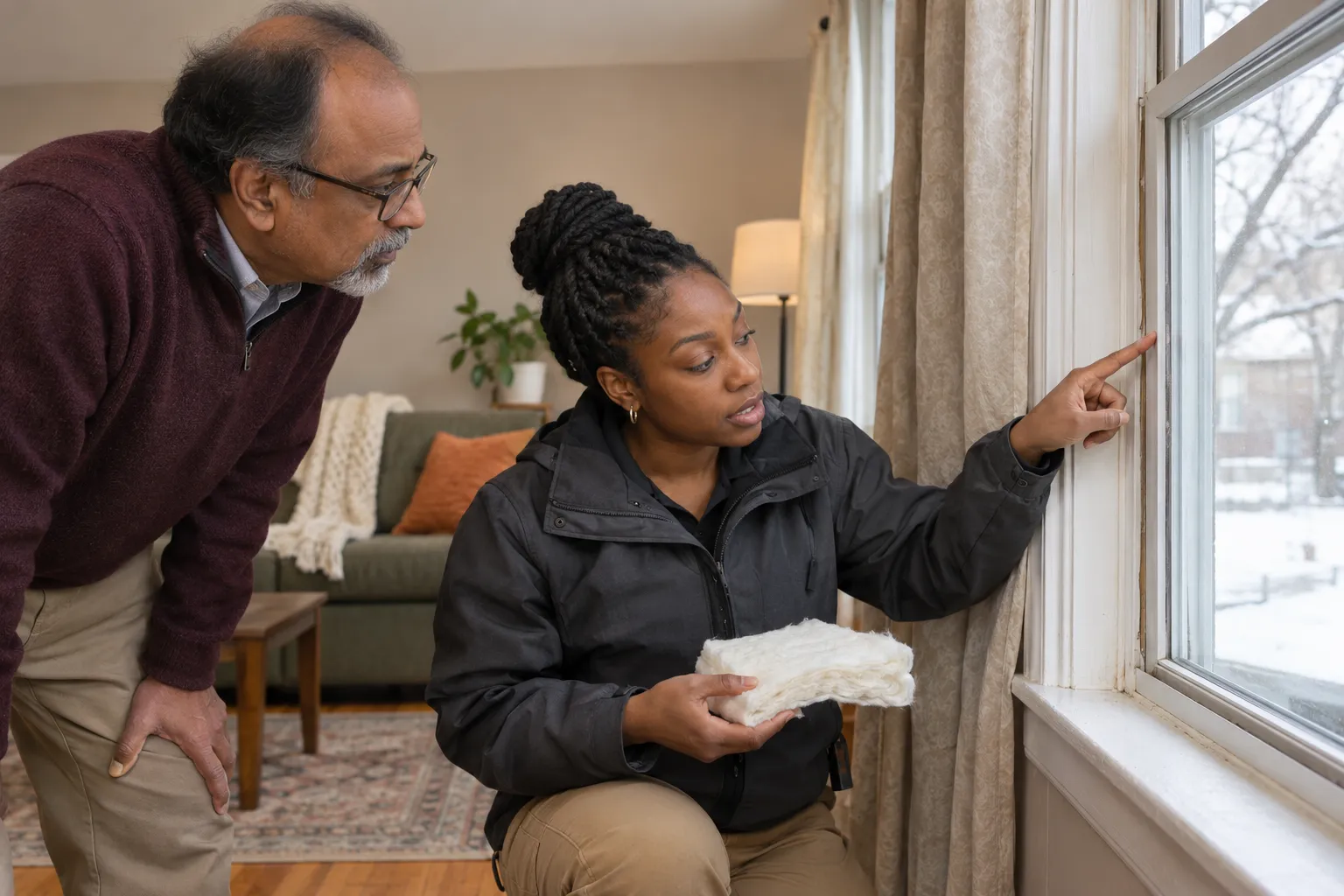
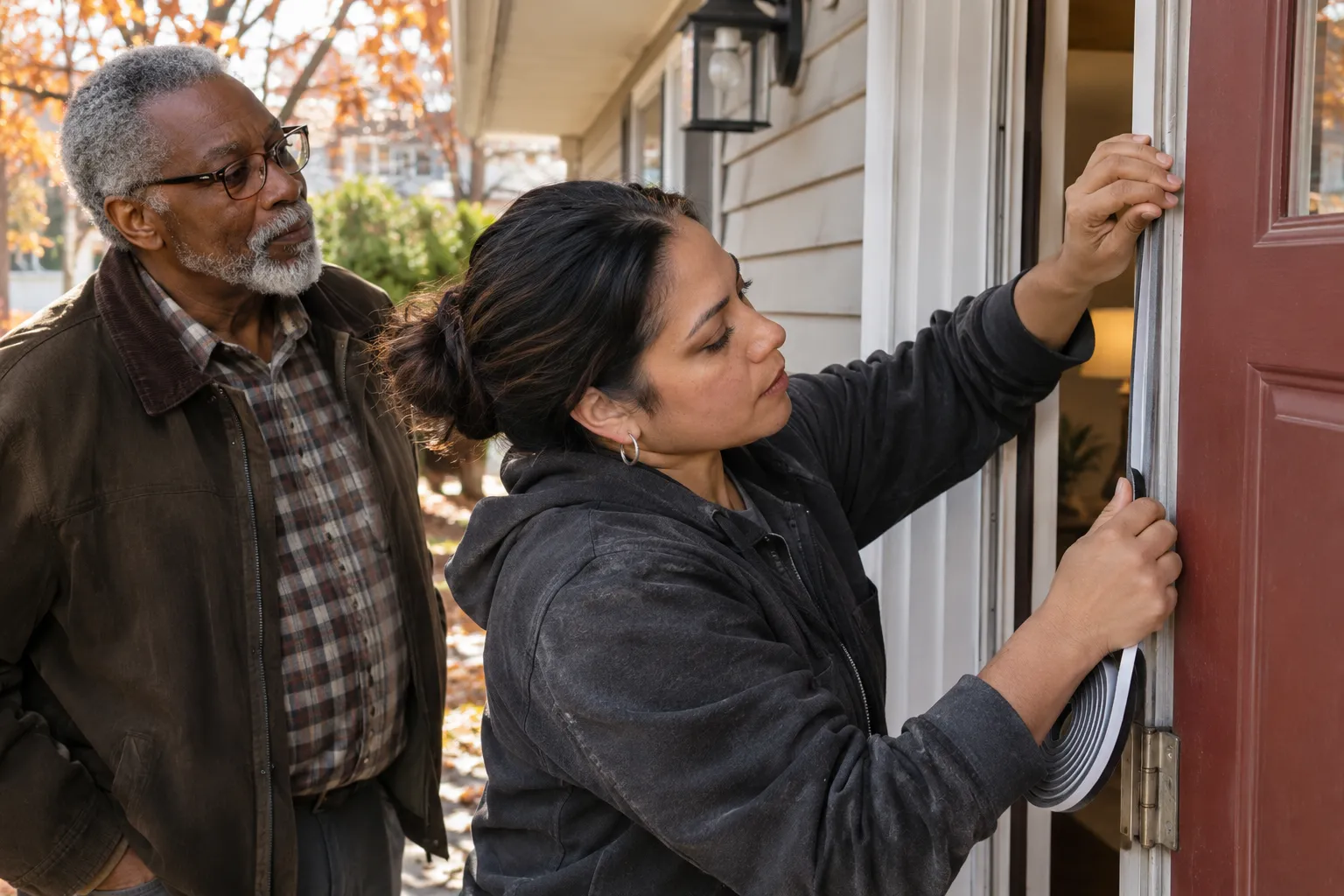
ENERGY STAR says sealing and insulating can provide up to a 10% savings on annual energy bills. Simple fixes include weather-stripping doors and caulking around windows. Bigger jobs include sealing leaks and adding insulation in the attic.
Turnover is a good time to replace worn door sweeps and weather-stripping, since the unit is empty and drafts are easy to find.
Heat pumps
ENERGY STAR explains that air-source heat pumps use the difference between outdoor and indoor air temperatures to heat and cool a home. It says a heat pump can deliver up to three times more heat energy to a home than the electrical energy it uses, and that certification requires third-party verified performance down to 5°F.
Consider a heat pump when an old furnace or air conditioner nears replacement. For taxes, Publication 527 lists a heating system and central air conditioning as examples of improvements, and the IRS says the cost of improvements is recovered through depreciation rather than deducted at once.
Federal tax credits in 2026
Check the IRS before relying on any credit, because some product pages still describe credits that the IRS says have ended:
- Energy efficient home improvement credit: the IRS says it applies to improvements made through December 31, 2025, to your main home, and that you cannot claim it as a landlord or other owner who does not live in the home.
- Residential clean energy credit: the IRS says it is not available for property placed in service after December 31, 2025. You cannot claim it as a landlord who does not live in the home, or for a property used solely for business.
Utilities and state programs may offer rebates. Confirm eligibility with the program and a tax professional before you buy.
Tips for renters
- Use LED bulbs in fixtures you control.
- Report drips, running toilets and drafty doors promptly through the landlord's repair process.
- Use the thermostat's schedule instead of large manual swings.
- Ask before swapping a showerhead or aerator, keep the original and reinstall it at move-out if the landlord asks.
How Rentari helps
Renters can send maintenance requests through Rentari, and landlords can turn them into work orders for vendors, which builds a record of leaks and drafts fixed. Fixed assets with depreciation entries in Rentari's accounting hold the cost of larger upgrades such as a heat pump. Rentari keeps the record; your preparer decides the tax treatment.
Sources and further reading
- ENERGY STAR: Smart thermostats
- ENERGY STAR: Light fixtures
- ENERGY STAR: Seal and insulate
- ENERGY STAR: Air-source heat pumps
- EPA WaterSense: Showerheads
- EPA WaterSense: Bathroom faucets
- EPA WaterSense: Residential toilets
- EPA WaterSense: Fix a Leak Week
- IRS: Energy efficient home improvement credit
- IRS: Residential clean energy credit
- IRS Publication 527 (2025): Residential Rental Property
- IRS Topic 414: Rental income and expenses
Common questions
Can a landlord claim the energy efficient home improvement credit for a rental?
No. The IRS says you cannot claim it as a landlord or other owner who does not live in the home, and it covers improvements made through December 31, 2025.
How much water does a WaterSense showerhead save?
EPA says WaterSense showerheads use no more than 2.0 gallons per minute versus 2.5 for standard models, and the average family could save 2,700 gallons a year.
Is replacing a furnace with a heat pump a repair or an improvement?
Publication 527 lists a heating system as an example of an improvement, which is generally recovered through depreciation. Ask your preparer about your specific job.
Can renters install their own water-saving showerhead?
Only with the landlord's permission. Keep the original fixture and reinstall it at move-out if asked.
Archive years group longstanding rental topics. This Rentari guide was published on 2026-11-14.
The Rentari team writes and updates this guide. Examples illustrate decisions and do not describe customer results. Found an error or an unclear step? Send a correction with a link to this page and the wording you’d change.