The short answer
Warm months are the time to service cooling equipment, move water away from the building, check alarms and get ahead of pests. Use this checklist for each rental, give proper notice before entering occupied homes and record what you find.
On this page
Plan one visit and give notice
Group the indoor checks into one visit per home to limit disruption. Entry rules still apply to routine work:
- Virginia: for routine maintenance the renter did not request, give at least 72 hours' notice unless impractical, do the work within 14 days and state the last possible date in the notice (Va. Code § 55.1-1229(A)(4)).
- Washington: at least two days' written notice with the date and time or a time window, and a phone number to object or reschedule (RCW 59.18.150(6)).
- California: reasonable written notice, with 24 hours presumed reasonable (Cal. Civ. Code § 1954(d)(1)).
Check your state on the notice before entry by state page.
Cooling system
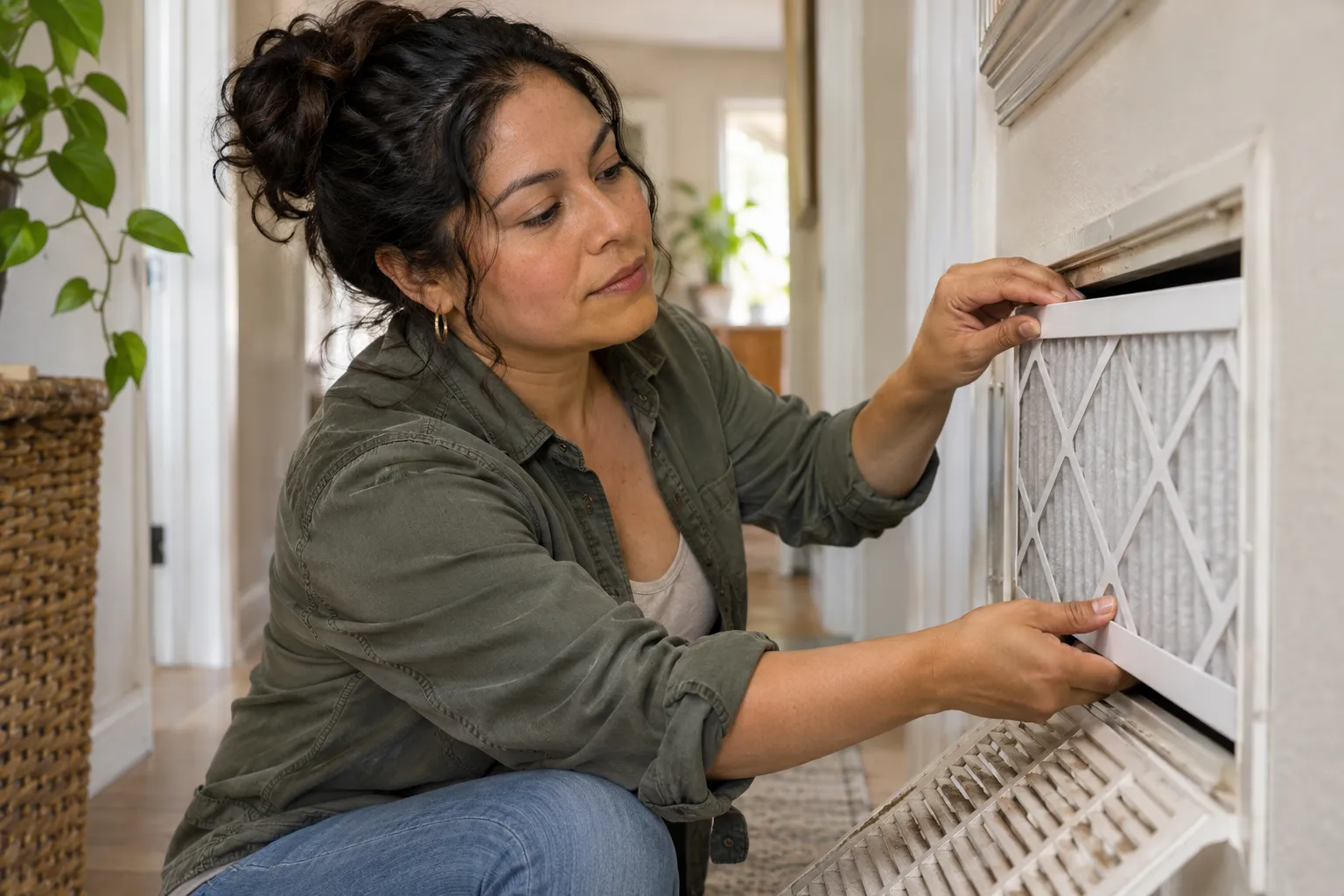
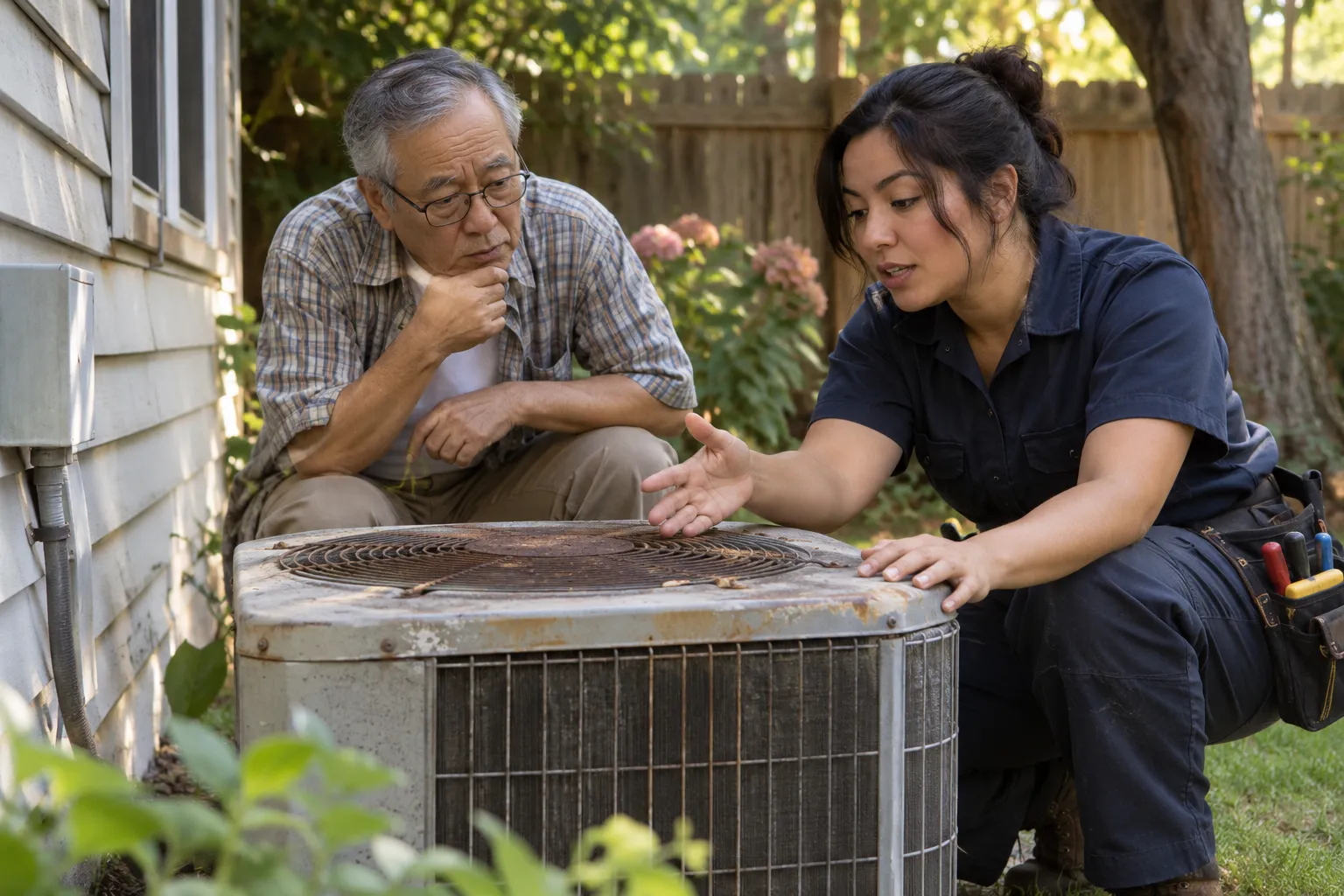
ENERGY STAR recommends checking the cooling system in the spring and inspecting, cleaning or changing air filters once a month. Its list for a contractor check-up includes checking thermostat settings, tightening electrical connections, lubricating moving parts, inspecting the condensate drain, cleaning the evaporator and condenser coils, checking the refrigerant level and adjusting blower components. It notes that a plugged condensate drain can cause water damage and affect indoor humidity (ENERGY STAR: maintenance checklist).
EPA adds that air conditioning drip pans should stay clean and drain lines unobstructed and flowing (EPA: a brief guide to mold, moisture and your home). Keep plants and debris away from the outdoor unit, and tell renters who changes the filters under the lease.
Roof, gutters and drainage
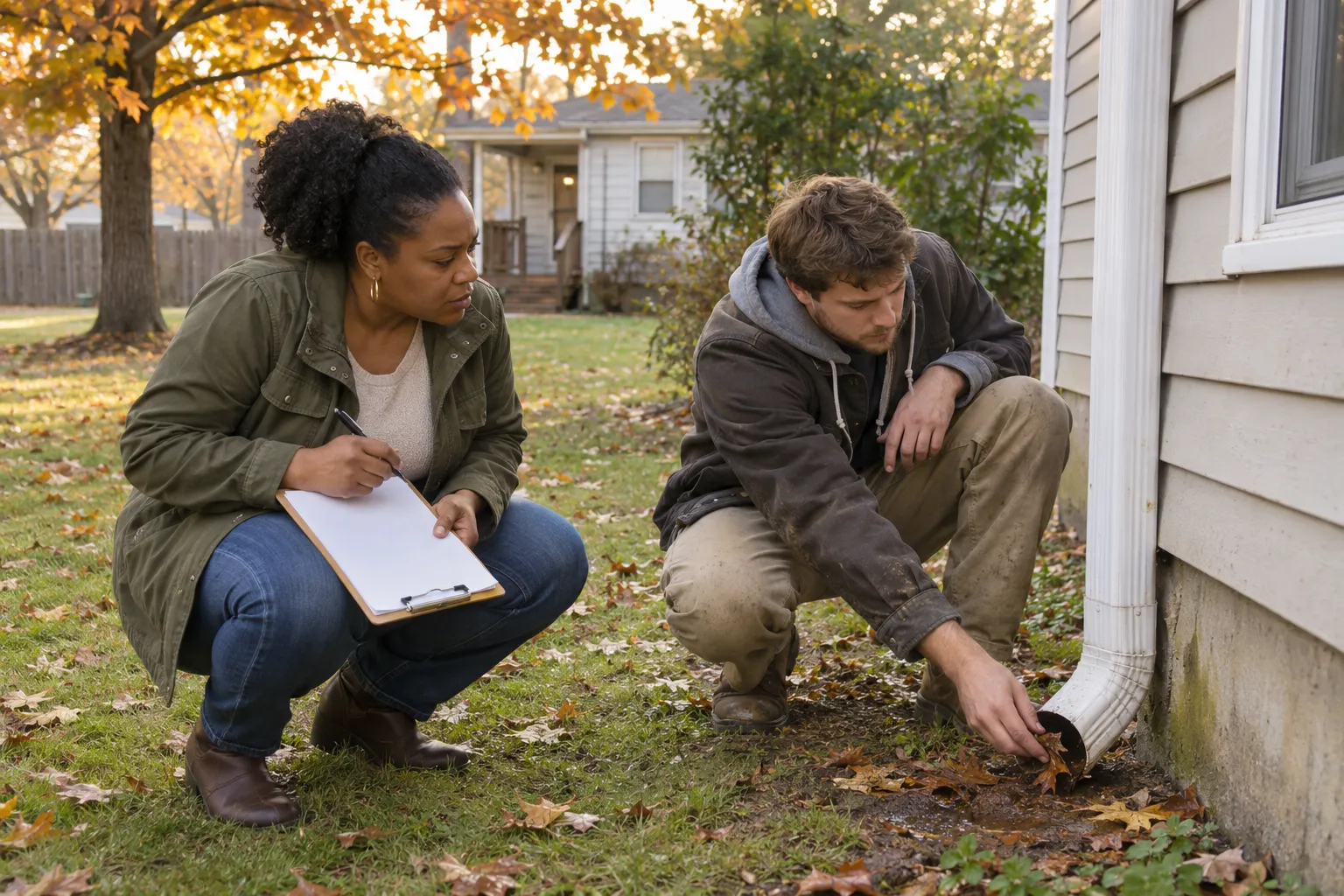
EPA's moisture guidance says to clean and repair roof gutters regularly and to make sure the ground slopes away from the foundation (EPA: a brief guide to mold, moisture and your home).
- From the ground, look for loose or overflowing gutters and downspouts that empty against the foundation.
- After storms, look for missing shingles or flashing, and send a qualified roofer up rather than climbing yourself.
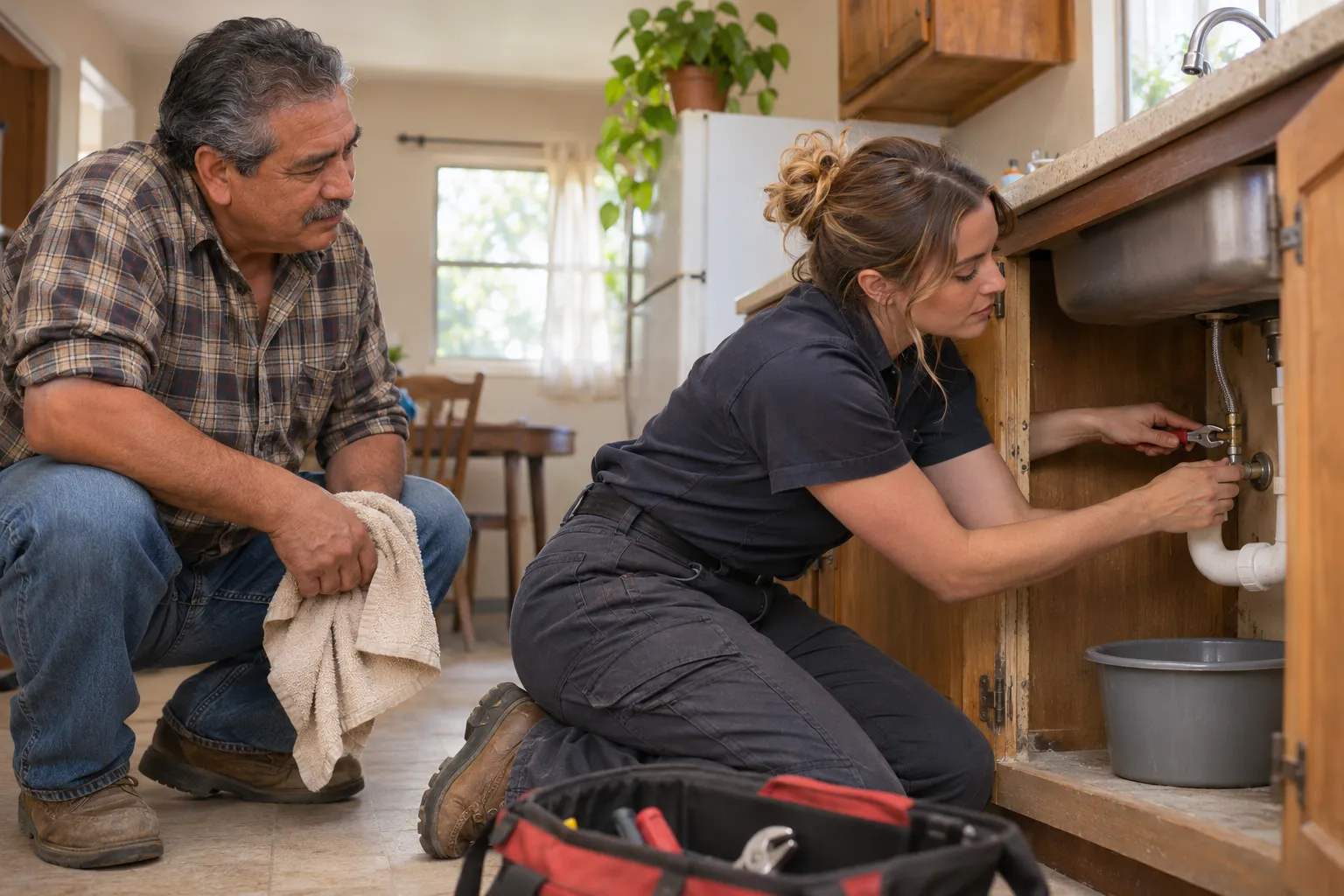
- Check under sinks, around the water heater and behind the washer for drips.
- Inside, look for ceiling stains and musty smells.
When you find water damage, act quickly. EPA says to dry water-damaged areas and items within 24 to 48 hours to prevent mold growth, and to keep indoor humidity below 60 percent, ideally between 30 and 50 percent.
Irrigation and outdoor water
EPA's WaterSense program suggests four spring checks for sprinkler systems (EPA WaterSense: sprinkler spruce-up):
- Inspect: check each zone for broken or tilted heads and heads that do not pop up fully.
- Connect: look for leaks where sprinklers join the pipes, pooling water and valves that do not close fully.
- Direct: aim sprinklers at plants, not driveways or sidewalks.
- Select: consider a WaterSense labeled controller that adjusts watering to local weather.
Check outdoor faucets and hoses for leaks and follow local watering rules. If the renter maintains the yard under the lease, share the watering schedule and the shutoff location.
Pests and mosquitoes
The CDC advises that once a week you empty and scrub, turn over, cover or throw out items that hold water, and that you install or repair and use window and door screens (CDC: mosquito control at home). Around a rental, that means clearing clogged gutters, old tires, buckets and plant saucers, and repairing torn screens before renters open windows.
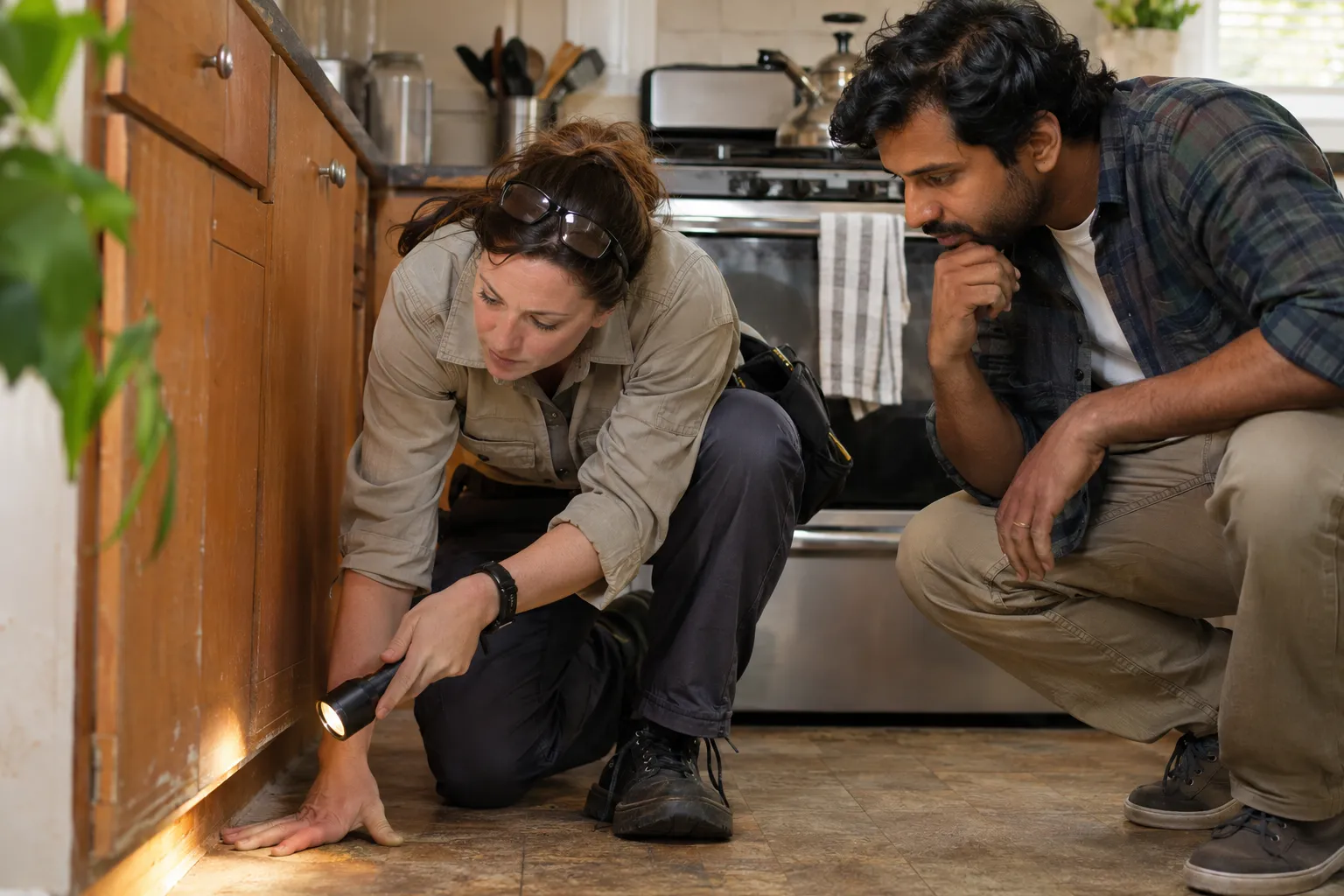
Seal gaps around pipes and doors, trim plants back from the siding and keep trash areas clean. Who pays for pest control depends on your state and lease; see pest control: landlord or tenant.
Smoke and carbon monoxide alarms
The U.S. Fire Administration says to test smoke alarms monthly, replace batteries in 9-volt models and backup batteries in hardwired models at least once a year, replace the entire alarm every 10 years and install alarms in every bedroom, outside each separate sleeping area and on every level (USFA: smoke alarms). It also says to test carbon monoxide alarms at least once a month and install them outside each separate sleeping area on every level (USFA: carbon monoxide).
State law adds duties. Texas requires a smoke alarm in each bedroom, in the hallway serving several bedrooms and on each level, tested when the renter moves in (Tex. Prop. Code § 92.255). California makes the owner of a rented home responsible for testing and maintaining smoke alarms (Cal. Health & Safety Code § 13113.7(a), (d)(2)). Use the spring visit to check the date on every alarm.
Exterior and safety walk
- Walk decks, stairs and railings and test for loose boards or posts.
- Check walkways for trip hazards and exterior lights for failed bulbs.
- Test window locks and screens, and confirm bedroom windows open as designed.
- Check that the outdoor dryer vent flap opens and closes freely.
- Inspect fences and gates, especially around pools.
Record and follow up
Write down the date, what you checked, what you found, photos and any follow-up job with a due date. Keep inspected separate from fixed: a note that the condensate drain was clogged is not a record that a technician cleared it. Tell renters what to watch for over the summer, such as water around the indoor unit or a musty smell, and how to report it.
How Rentari helps
Renters can report leaks, cooling problems or pests through Rentari maintenance requests. You can send a work order to a vendor and message the renter about the visit, so the request, the visit and the result stay on one record.
Sources and further reading
- ENERGY STAR: heating and cooling maintenance checklist
- EPA: a brief guide to mold, moisture and your home
- EPA WaterSense: sprinkler spruce-up
- CDC: mosquito control at home
- U.S. Fire Administration: smoke alarms
- U.S. Fire Administration: carbon monoxide alarms
- Code of Virginia § 55.1-1229: access
- Revised Code of Washington 59.18.150: landlord entry
- California Civil Code § 1954: entry
- Texas Property Code § 92.255: smoke alarms
- California Health and Safety Code § 13113.7: smoke alarms
Common questions
How often should air filters be checked?
ENERGY STAR recommends inspecting, cleaning or changing air filters once a month. Say in the lease who does it, and check during each visit.
Do I need to give notice for a seasonal inspection?
Usually. Virginia requires 72 hours' notice for routine maintenance the renter did not request, Washington two days in writing, and California presumes 24 hours' written notice is reasonable.
How often should smoke alarms be tested and replaced?
The U.S. Fire Administration says to test smoke alarms monthly and replace the entire alarm every 10 years. Carbon monoxide alarms should be tested at least once a month.
Who deals with standing water in the yard?
The lease decides who maintains the yard. Either way, the CDC's advice is to empty, cover or remove items that hold water once a week, so share it with renters who keep the yard.
Archive years group longstanding rental topics. This Rentari guide was published on 2026-11-14.
The Rentari team writes and updates this guide. Examples illustrate decisions and do not describe customer results. Found an error or an unclear step? Send a correction with a link to this page and the wording you’d change.